Brake Repair in Tempe
In this lesson: what brake noises mean in dollar terms, what a complete brake job includes, and why heat makes all of it more urgent here.
Call 480-327-6988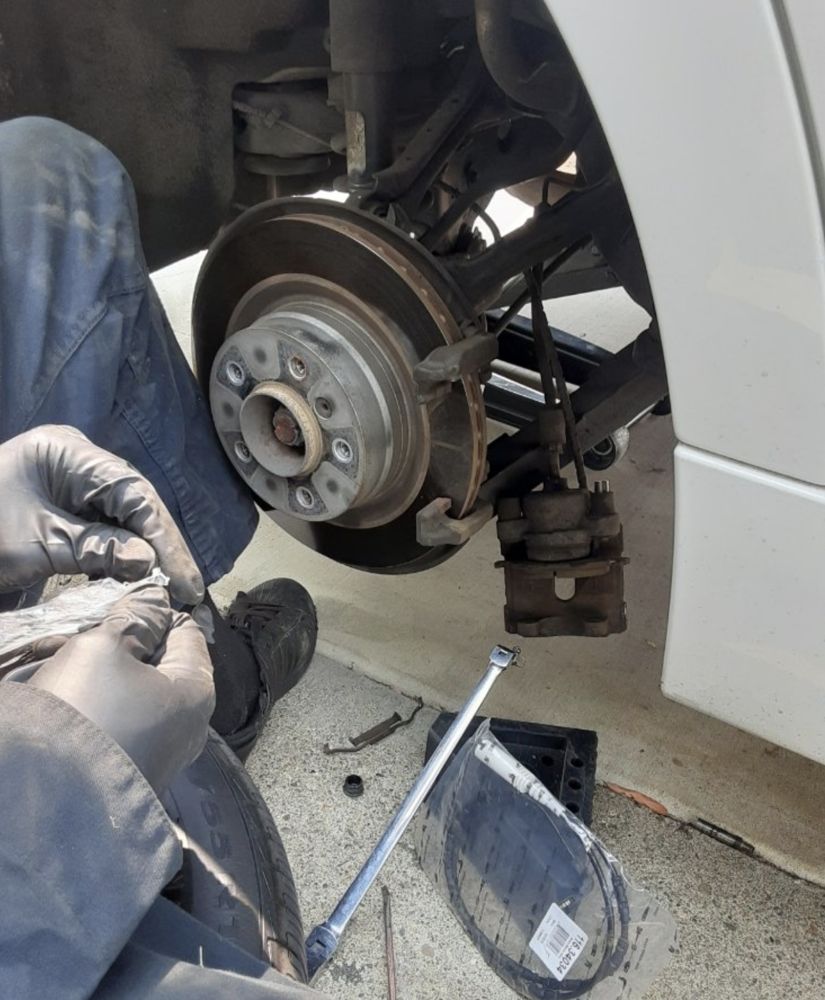
ATranslate the noise
Squeals, Grinding, Pulsing, and Sinking Pedals
Four sounds cover most brake stories, so let's define each. The squeal is a metal wear tab deliberately touching the rotor: it means pads are low and you're in the affordable chapter. The grind means pads are gone and backing plates are machining your rotors: same repair, roughly double the invoice. A pulse through the pedal at freeway speed indicts the rotors' flatness. And a pedal that keeps easing toward the floor at a red light is hydraulics, the one symptom that means park it now and phone from where you sit.
Local footnote: hot pavement raises brake operating temperatures before you've touched the pedal, so marginal parts fade faster here than the internet's advice assumes. Tempe brakes deserve the early appointment, not the deferred one.
BThe complete job
What Gets Done, Corner by Corner
All four corners measured against the minimums stamped on the parts: pad thickness, rotor thickness, runout. Calipers and their slide pins cleaned, inspected, and lubricated, because a sticking slide eats new pads in months. Wear hardware swapped out wherever the design calls for fresh pieces. Fluid tested for moisture content, since water in brake fluid lowers its boiling point exactly when summer raises the stakes. Findings narrated as we go, price written before wrenches, old parts presented afterward like graded homework.
Most brake jobs run about two hours at your address and end with a road test. You're welcome at every step, questions included; that's the teaching part, and it's free.
CTiming and money
A Squeal Caught Early Saves Money
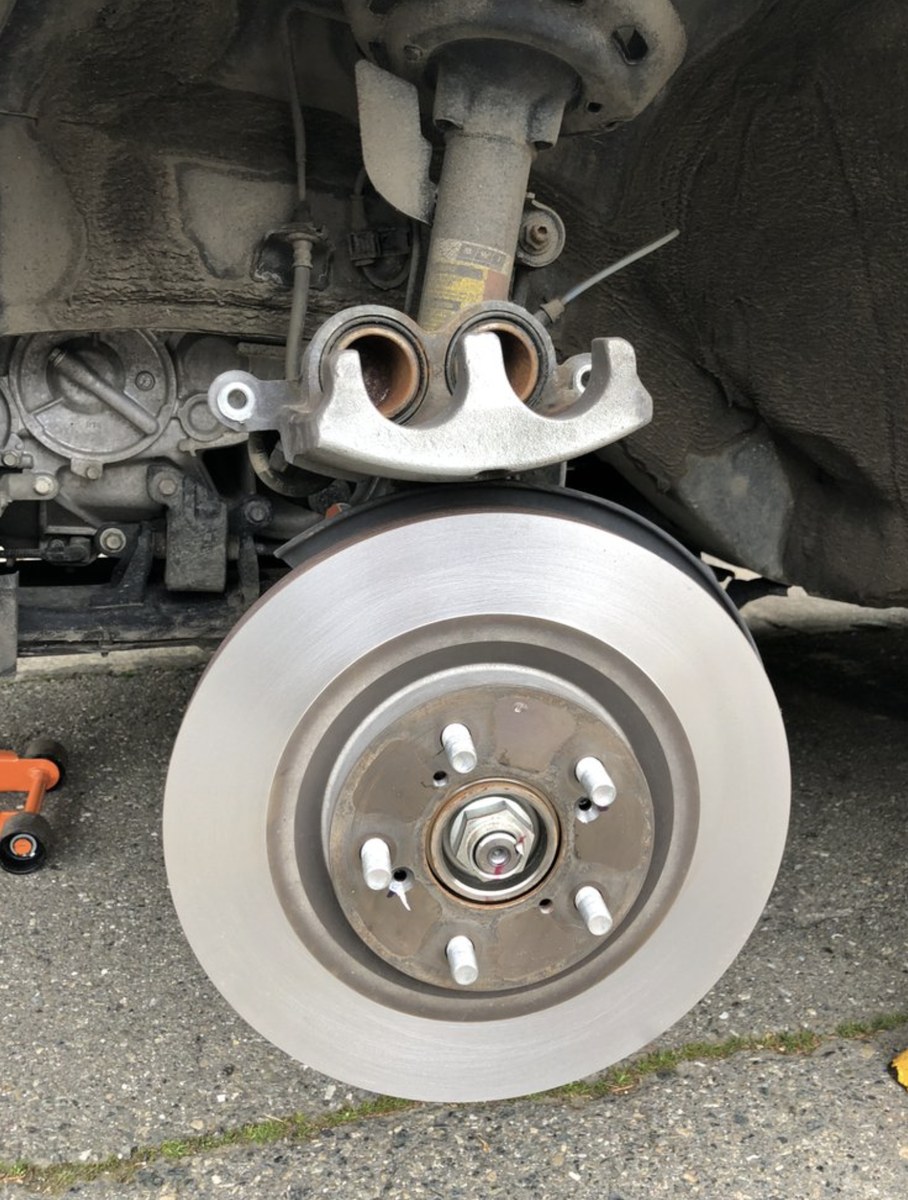
Brake wear moves one direction. Acting at the squeal usually means pads alone; touring a semester of grinding usually adds rotors. Same labor visit, very different parts bill. Morning appointments return the car by lunch, stopping like it should.
DExtra credit
Loads, Trailers, and the Superstition Runs
Homework question: does your truck tow, haul, or make regular runs up toward the mountains east of the valley? Sustained descents and heavy loads push brake temperatures into territory city stops never visit, and old fluid full of absorbed water boils exactly there. Mention the workload when you book and the inspection re-weights accordingly: fluid moisture measured rather than assumed, pads specced for heat over quietness, rotors examined for the checking that hard use produces. The parts list should match the job description, and thirty seconds of honesty about your weekends writes it correctly.
One more brake-specific note for apartment dwellers: cars that sit outside through monsoon humidity grow a whisper of surface rust on rotors overnight, and the first few stops of the morning scrape it off with a faint grind that alarms new owners. Brief and fading means harmless; persistent means pads. Now you can tell the difference, which was the whole point of the lesson.
Office hours are always open
Hearing Something at Stops?
Describe the sound and where the car sleeps. You get an honest urgency read and a written figure before anything comes apart.
Call 480-327-6988